
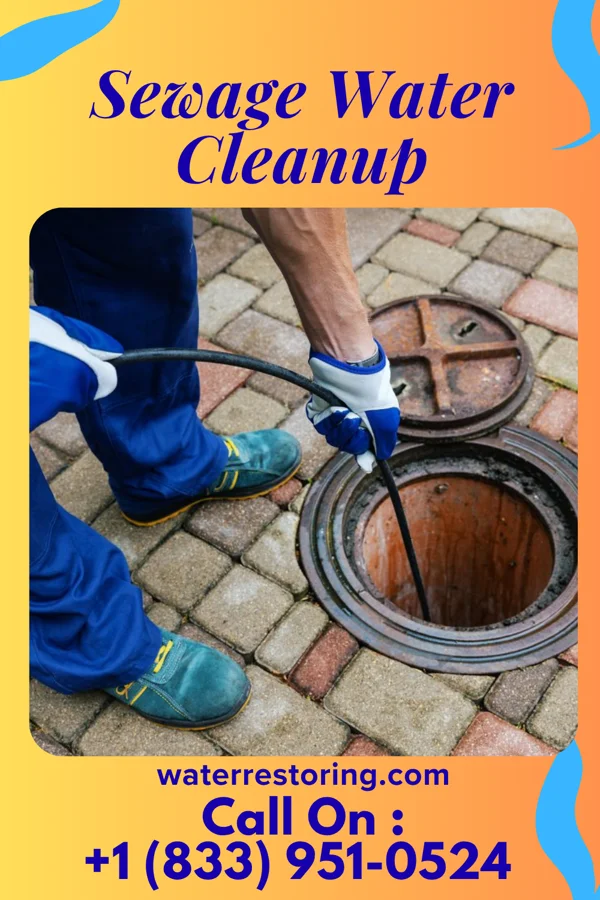
Why St. Louis Sewage Water Demands HAZMAT Response
Most water damage emergencies in St. Louis start with St. Louis, Missouri, experiences frequent sewage backups due to its aging infrastructure and heavy rainfall, particularly in the summer months. The city's proximity to the Mississippi River also increases the risk of flooding, which can overwhelm sewer systems and lead to contamination.. From the second water touches the property, every minute changes what gets saved and what gets ripped out.
The humid climate in St. Louis contributes to mold growth and bacterial proliferation in sewage incidents, requiring rapid and thorough cleanup to prevent long-term health issues. Seasonal storms often lead to sudden sewage overflows in residential and commercial areas.
Most sewage water cleanup calls in St. Louis come from St. Louis, Missouri, experiences frequent sewage backups due to its aging infrastructure and heavy rainfall, particularly in the summer months. The city's proximity to the Mississippi River also increases the risk of flooding, which can overwhelm sewer systems and lead to contamination.. Blackwater exposure in St. Louis poses significant health risks, including bacterial infections and respiratory issues, especially in areas with frequent flooding like the near-west side and historic neighborhoods. Local mold risk: 24-72 hours